The Process: Crafting Modern Scottish Landscapes
Introduction
The rugged textures of the Scottish Highlands are rarely flat. To capture the tactile reality of the mountains and glens, my work moves beyond traditional landscape paintings. I am a Scottish artist specialising in mixed media digital collage, creating layered works that bridge the gap between photography and fine art.
Step 1: The Raw Inspiration
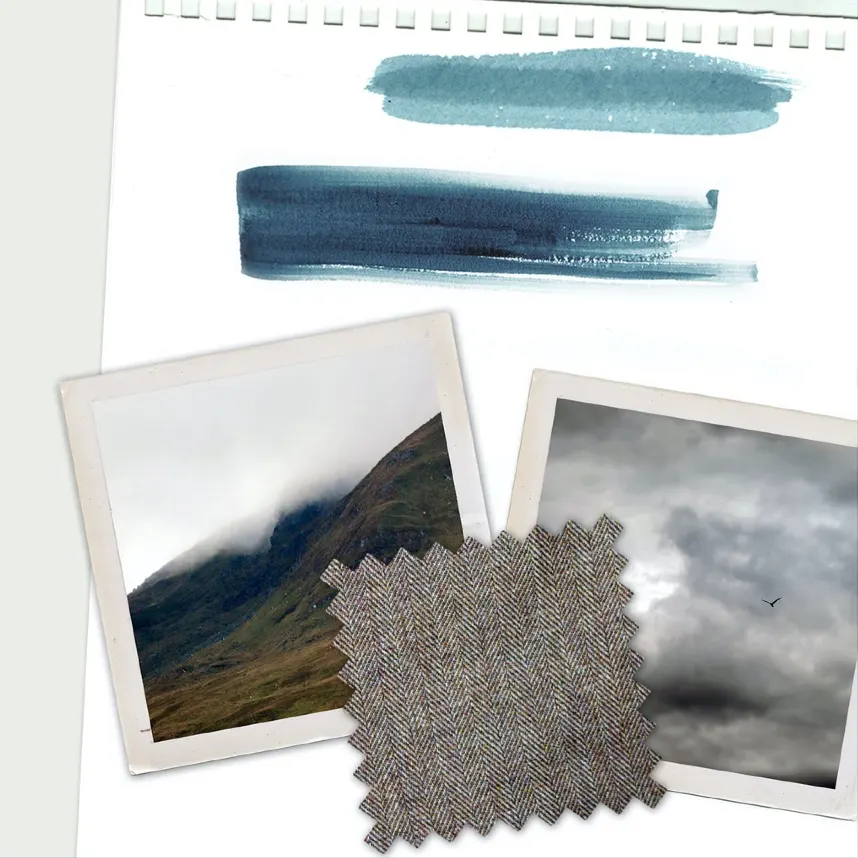
Capturing the Essence of the Scottish Landscape Every piece begins on location. Using high-resolution photography, I document the atmospheric light and structural forms of specific regions—from the peaks of Perthshire to the coastal edges of Fife. These images serve as the skeletal structure for the final landscape art print.
Step 2: The Layering Process
Merging Physical Textures with Digital Artistry The depth in my work comes from a meticulous digital collage process. I scan physical materials to create a custom library of textures, including:
Scottish Textiles: Authentic scans of Glenlyon Tweed fabric or clan tartans, adding a sense of Scottish heritage.
Natural Elements: Macrophotography of Scottish sandy textures, weathered stone, and green lichen or thistles.
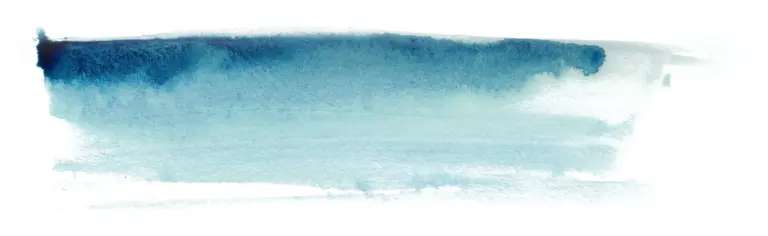
Hand-Painted Details: My own watercolour brushstrokes and ink washes, digitised to provide organic movement and depth.
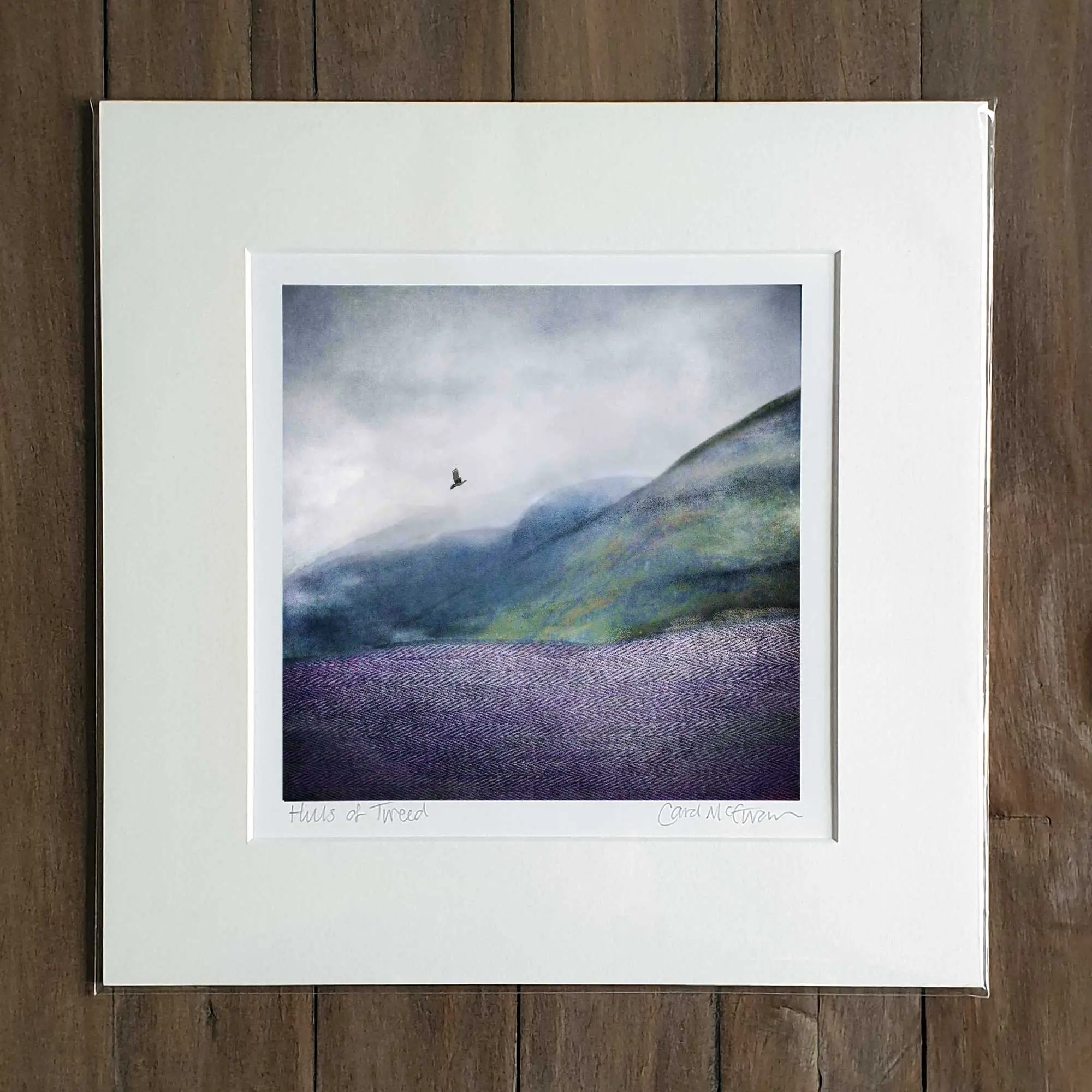
By layering these elements in Photoshop, I create a mixed media composition to give an ethereal quality to the artwork that a standard photograph cannot achieve.
Step 3: The Giclée Finish
Archive-Quality Art Prints for Modern Interiors.
Once the digital collage is complete, it is produced as a professional Giclée art print. I use archival pigment inks and museum-grade paper to ensure the colors remain vibrant for decades. Each print is personally titled, signed, and mounted, providing a contemporary alternative to traditional Scottish landscape paintings.
Here’s a short video to explain the process of Carol’s artwork.